Why Local Action Creates Stronger Neighborhoods and Lasting Positive Change


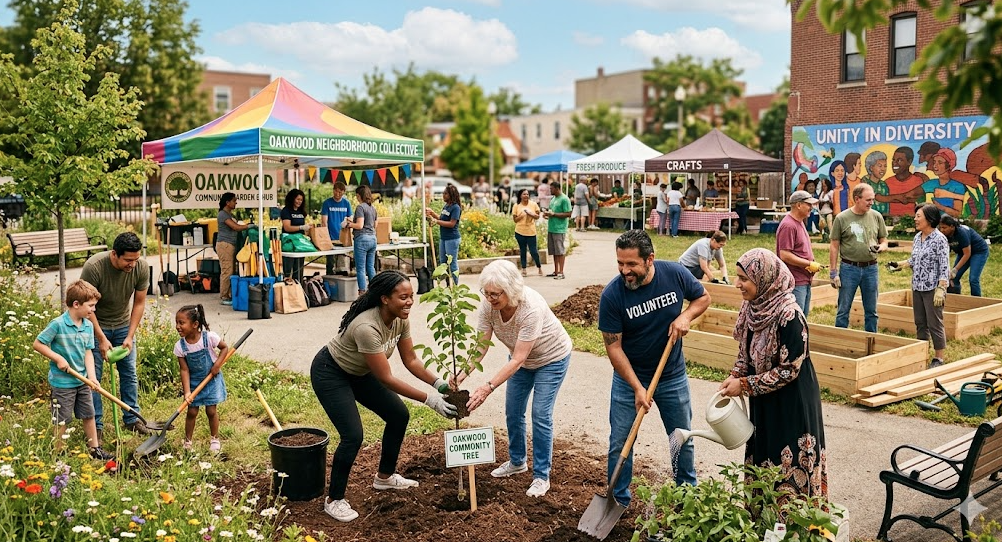
Communities thrive when people work together toward common goals. One of the most effective ways to strengthen local connections and improve quality of life is through community service. Whether people volunteer at food banks, clean public spaces, mentor young people, or support local charities, their efforts create benefits that extend far beyond a single project. Through civic engagement opportunities, residents become active participants in shaping a better future for everyone around them.
Community service does more than address immediate needs. It builds trust, encourages cooperation, and creates a culture where people feel responsible for helping one another. As a result, neighborhoods often become safer, healthier, and more connected. Furthermore, individuals who volunteer frequently inspire others to contribute, creating a positive cycle that continues to grow over time.
Strengthening Local Relationships
One of the greatest benefits of community service is its ability to bring people together. In many neighborhoods, residents may live close to one another without developing meaningful connections. However, volunteer projects create opportunities for people to meet, collaborate, and build friendships.
When individuals work side by side toward a shared goal, they often develop stronger bonds and greater trust. Consequently, communities become more united and resilient. These relationships also make it easier for residents to support one another during difficult times, which strengthens the social fabric of the area.
Creating Safer Surroundings
Community service often contributes directly to safer neighborhoods. Volunteers may participate in cleanup projects, organize youth programs, or assist with neighborhood improvement efforts. These activities help reduce neglect and encourage residents to take pride in their surroundings.
In addition, active and engaged communities tend to experience greater cooperation among residents. People become more aware of local issues and work together to address concerns before they grow into larger problems. Therefore, community service helps create an environment where people feel secure and valued.
Encouraging Youth Development
Young people benefit significantly from community involvement. Through volunteer programs, they gain valuable life skills such as teamwork, communication, and responsibility. These experiences help prepare them for future educational and professional opportunities.
Moreover, community service introduces young individuals to positive role models who demonstrate leadership and compassion. As they participate in service projects, they learn the importance of giving back and contributing to society. Because of this, many young volunteers continue serving their communities throughout adulthood.
Promoting Health and Well-Being
Community service positively affects both physical and mental health. Volunteers often experience a sense of purpose, accomplishment, and belonging. These feelings can reduce stress and contribute to overall emotional well-being.
Furthermore, many volunteer activities involve physical movement and social interaction. Whether people participate in community gardens, recreational programs, or environmental projects, they often enjoy health benefits while helping others. In the middle of these efforts, social responsibility programs create opportunities for residents to improve both individual wellness and collective quality of life.
Supporting Local Resources
Many nonprofit organizations and community programs depend heavily on volunteers. Without community support, these groups often struggle to meet growing needs. Volunteers provide valuable assistance that helps organizations expand their reach and improve their services.
Community service also helps direct attention toward important local issues. Residents become more aware of challenges facing vulnerable populations and are often motivated to support solutions. As awareness grows, communities can develop stronger networks of assistance and support.
Improving Public Spaces
Clean parks, attractive public areas, and well-maintained facilities contribute greatly to community well-being. Volunteer projects focused on beautification and maintenance help create environments that residents can enjoy and take pride in.
At the same time, improved public spaces encourage more people to spend time outdoors and participate in community activities. This increased engagement often leads to stronger neighborhood connections and greater overall satisfaction among residents. Through neighborhood improvement initiatives, communities can transform shared spaces into valuable assets that benefit everyone.
Building Economic Stability
Community service can also contribute to economic growth. When volunteers support local programs, they help create conditions that attract businesses, visitors, and investment. A clean, organized, and engaged community often appears more appealing to potential employers and entrepreneurs.
Additionally, volunteer efforts can reduce some operational costs for nonprofit organizations and public programs. These savings allow resources to be directed toward essential services and community development projects. As a result, the entire community may benefit from improved opportunities and economic resilience.
Inspiring Long-Term Community Growth
Community service creates lasting change because it encourages people to think beyond their individual needs. When residents actively contribute to their neighborhoods, they help build a culture of cooperation and shared responsibility. This mindset often leads to stronger civic participation and continued investment in local improvement efforts.
The long-term impact becomes even more significant when communities embrace community partnership development as part of their ongoing growth strategy. Strong partnerships between residents, nonprofits, schools, and local businesses create a foundation for sustainable progress. As more people become involved, communities gain the resources, energy, and commitment needed to address future challenges and seize new opportunities.
Community service benefits communities in countless ways. It strengthens relationships, supports local organizations, improves public spaces, encourages youth development, and promotes overall well-being. Most importantly, it empowers residents to take an active role in shaping the future of their neighborhoods. When people work together with a shared sense of purpose, communities become stronger, more welcoming, and better prepared for long-term success.
