Five Powerful Reasons Community Volunteering Strengthens Lives and Neighborhoods


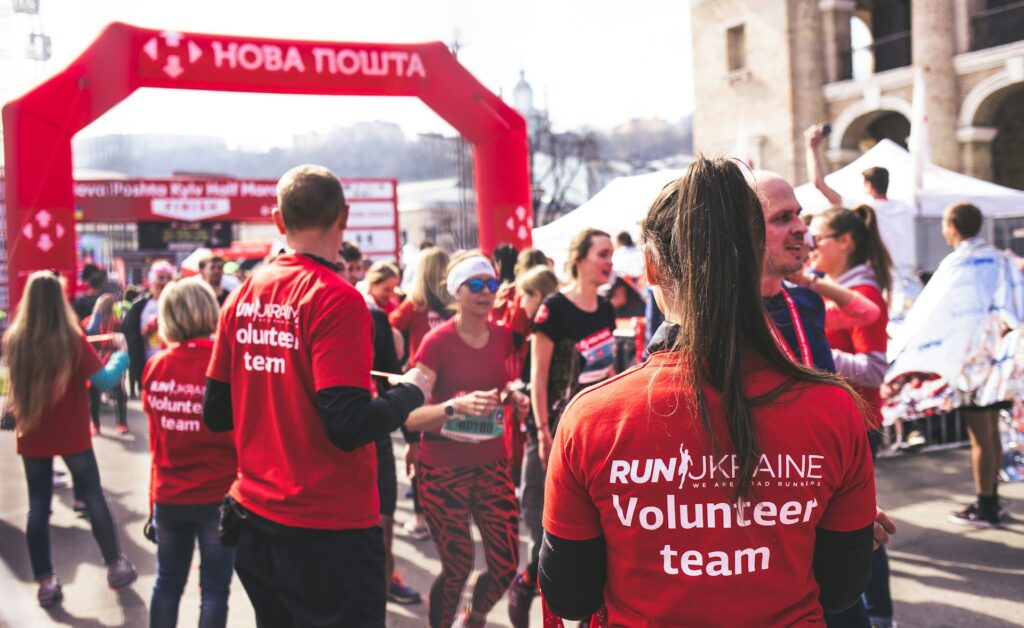
Community volunteering plays a vital role in creating healthier, more connected societies. People often begin volunteering to help others, yet they quickly discover that the experience also changes them in positive ways. Volunteering creates shared responsibility, builds trust, and strengthens everyday life. As communities face social, economic, and emotional challenges, volunteering continues to stand out as a reliable source of progress and hope. When people understand the value behind giving time and effort, they are more likely to stay involved and committed. In many cases, the long-term impact of community volunteering benefits becomes clear through stronger relationships, safer neighborhoods, and a more profound sense of belonging.
At its core, community volunteering brings people together with a common purpose. It encourages cooperation while reminding individuals that small actions can lead to meaningful change. These shared efforts help communities grow in ways that last far beyond a single event or project.
Stronger social connections and trust
One of the most visible benefits of community volunteering is its ability to strengthen social bonds. When people volunteer together, they interact with neighbors they may not otherwise meet. As a result, conversations begin, trust develops, and relationships grow naturally. Over time, these connections reduce feelings of isolation and create a stronger sense of community identity.
In addition, volunteering helps people see one another as partners rather than strangers. This shared experience encourages empathy and understanding across different backgrounds. Because people work side by side, they learn to respect other viewpoints while focusing on shared goals. As trust increases, communities often become more supportive and cooperative in daily life.
Improved mental and emotional well-being
Volunteering also has a positive effect on mental and emotional health. Many people report feeling happier and more fulfilled after helping others. This happens because volunteering creates a sense of purpose and accomplishment. When individuals see the direct impact of their efforts, they feel valued and needed.
Moreover, volunteering can reduce stress and anxiety. Helping others shifts focus away from personal worries and toward positive action. As a result, volunteers often experience improved mood and emotional balance. Over time, this sense of purpose supports overall well-being and personal resilience.
Skill development and personal growth
Another significant benefit of community volunteering is the opportunity to develop new skills. Volunteers often take on responsibilities that require communication, organization, teamwork, and problem-solving. These real-world experiences help people grow in ways that formal education may not always provide.
For example, someone who helps organize a local event learns planning and leadership skills. Meanwhile, mentoring programs help volunteers improve their listening and communication abilities. Because these skills develop through practice, volunteers gain confidence in their abilities. This growth often carries into professional and personal areas of life, creating long-term value.
Support for local needs and services
Community volunteering directly supports local needs that may not receive enough resources. Many nonprofits and community programs rely on volunteers to operate effectively. Without volunteer support, services such as food distribution, youth programs, and outreach efforts would struggle to meet demand.
By volunteering, individuals help fill critical gaps in support systems. This assistance ensures that vulnerable populations receive care and attention. In addition, volunteers often bring fresh ideas and energy to existing programs. As a result, communities become more responsive and better equipped to handle ongoing challenges.
Increased civic engagement and responsibility
Volunteering often leads to greater civic involvement. When people contribute to their communities, they develop a stronger sense of responsibility for local outcomes. This sense of ownership encourages participation in community discussions, events, and initiatives.
Furthermore, volunteers are more likely to stay informed about local issues. Because they feel connected, they want to support solutions that benefit everyone. Over time, this engagement strengthens democratic participation and community leadership. Active citizens help ensure that communities remain adaptable and forward-looking.
Positive influence on young people
Community volunteering also plays a decisive role in shaping younger generations. When young people see adults giving their time to help others, they learn the value of service. Many volunteer programs include youth participation, which teaches responsibility and empathy at an early age.
Through volunteering, young people develop confidence and social awareness. They learn how their actions affect others and why teamwork matters. These lessons often influence future choices, leading to lifelong habits of service and engagement. As a result, volunteering helps build a strong foundation for future community leaders.
Greater resilience during difficult times
Communities that value volunteering tend to respond more effectively during crises. Whether facing natural disasters, economic hardship, or public health challenges, volunteers often provide essential support. They help distribute resources, share information, and offer reassurance when it is needed most.
Because volunteers already have experience working together, they can mobilize quickly. This readiness improves community resilience and speeds recovery. Over time, shared challenges strengthen bonds and reinforce the importance of mutual support.
Long-term community stability
Volunteering contributes to long-term stability by promoting shared values and cooperation. When people consistently give back, they invest in their communities’ future. This investment leads to improved public spaces, stronger organizations, and better outcomes for residents.
Additionally, volunteering encourages accountability. People who feel connected to their communities are more likely to protect and improve them. This ongoing commitment helps communities remain vibrant and adaptable as needs change.
Why community volunteering continues to matter
Community volunteering offers benefits that extend far beyond immediate assistance, driven by local volunteer impact that strengthens relationships, supports mental health, builds skills, and enhances civic life. These benefits work together to create healthier and more connected communities.
As people continue to seek meaningful ways to contribute, volunteering remains one of the most effective paths. Through consistent service and shared effort, individuals help create environments where everyone can thrive. In the long run, the impact of volunteering becomes clear through lasting change and shared success that supports both people and neighborhoods.
