Building Stronger Communities Through Everyday Acts of Service and Connection


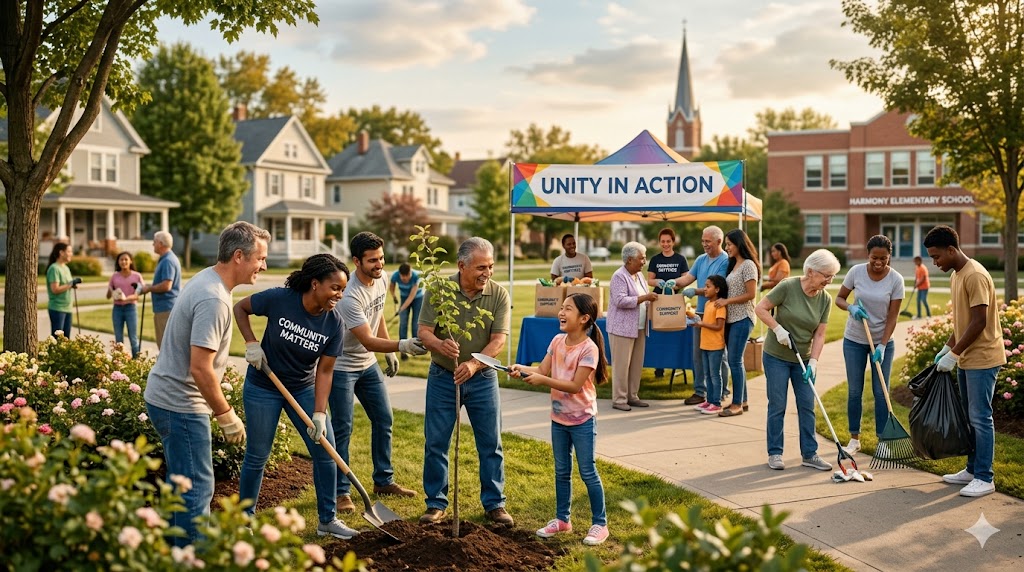
Community life becomes stronger when people take time to support one another, and this support often begins with small acts of kindness that grow into lasting change. When individuals participate in local efforts, they create ripple effects that improve safety, trust, and opportunity for everyone involved. One important driver of this transformation is volunteer engagement impact, which reflects how personal involvement in service activities shapes both individuals and the wider community.
At its core, community service is more than just helping others. It builds relationships, strengthens shared values, and creates a sense of belonging that benefits everyone. As more people take part in organized and informal service efforts, neighborhoods become more connected and resilient in the face of challenges.
Civic Engagement Pathways
Civic participation grows when people find accessible ways to contribute to public life. These pathways allow residents to take part in decisions, projects, and local improvements that directly affect their daily environment. As a result, individuals feel more connected to the systems that shape their surroundings.
In addition, these opportunities encourage long-term involvement in social initiatives. When people understand how their actions influence outcomes, they become more likely to stay active in community programs. This steady involvement helps create a stable foundation for collective progress.
Collective Trust Formation
Trust forms when people consistently work together toward shared goals. Through repeated interaction in service activities, individuals begin to rely on one another and develop stronger social bonds. This trust reduces isolation and encourages cooperation in both small and large community efforts.
Moreover, trust-building activities help reduce misunderstandings between diverse groups. When people collaborate in meaningful ways, they begin to appreciate different perspectives. As a result, communication improves, and social tension decreases, leading to a more unified environment.
Youth Mentorship Impact
Young people gain significant advantages when they participate in structured guidance programs. Experienced volunteers provide direction, encouragement, and real-world insights that help youth make better decisions. This support can shape personal development in powerful ways.
In addition, mentorship strengthens the connection between generations. Older participants share life lessons, while younger individuals bring fresh ideas and energy. This exchange fosters respect and mutual understanding, which strengthens community cohesion over time.
Skill Exchange Dynamics
Community participation often creates natural opportunities for people to share knowledge and abilities. These interactions allow individuals to learn practical skills from one another while contributing their own strengths to group efforts. Over time, this exchange builds a more capable and adaptable population.
Furthermore, people gain confidence when they apply their abilities in real-world situations. They discover new talents and refine existing ones through practice and collaboration. This continuous learning cycle benefits both individuals and the broader community.
Resource Flow Networks
Service-driven communities often develop informal systems for sharing resources. These systems help distribute goods, services, and information more efficiently among residents. As a result, fewer people experience shortages or barriers to essential support.
In many cases, these networks also encourage sustainability. When resources are shared rather than wasted, communities reduce unnecessary consumption and improve long-term stability. This approach creates a more balanced environment where everyone can benefit from available assets.
Public Health Improvements
Community service plays a direct role in improving overall well-being. Clean-up efforts, awareness campaigns, and support initiatives help reduce health risks and promote healthier lifestyles. These actions often lead to safer and cleaner living environments.
Additionally, participation in service activities can improve mental health. People who engage in helping others often experience reduced stress and increased satisfaction. In many cases, shared purpose creates emotional stability and a stronger sense of belonging.
Economic Circulation Effects
Local service activities can stimulate economic activity in subtle but meaningful ways. When residents support one another through shared efforts, they often rely more on local goods and services. This circulation of resources strengthens small businesses and encourages local investment.
At the same time, service programs can improve employability. Individuals who volunteer gain experience that can be applied in professional settings. Consequently, communities benefit from a more skilled and prepared workforce.
Cultural Heritage Continuity
Preserving traditions and shared history helps communities maintain a strong identity. When residents participate in cultural activities, they keep important practices alive for future generations. This connection to heritage fosters pride and unity.
The role of civic participation value becomes especially clear in this process, as active involvement ensures that cultural knowledge does not fade over time. When people contribute to preserving stories, traditions, and customs, they strengthen the foundation of their community identity. Moreover, this engagement encourages younger generations to appreciate and continue cultural practices, ensuring that valuable heritage remains active and meaningful for years to come.
In addition, cultural participation helps bridge gaps between different groups within a community. Shared celebrations and traditions create opportunities for understanding and cooperation. As a result, people build stronger relationships while honoring their collective past.
