From Giving to Impact: A Practical Guide to Becoming a Modern Philanthropist


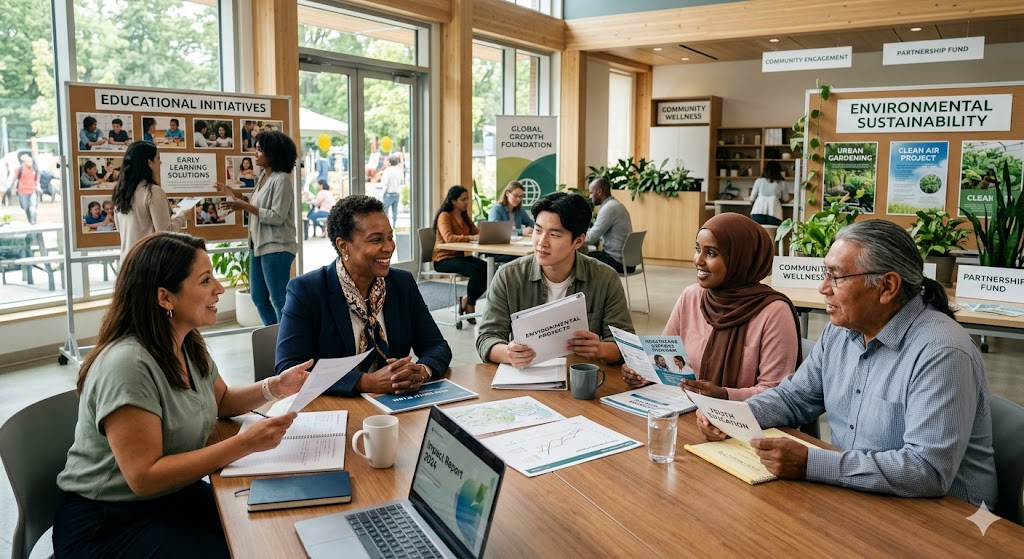
Many people believe that philanthropy is only for the wealthy. However, that idea is far from the truth. Anyone with a desire to help others can create meaningful change. Whether you give money, time, knowledge, or resources, you can start building a lasting legacy. The journey often begins with a clear sense of purpose and a commitment to creating a positive difference. As you explore the path of giving, understanding the value of charitable leadership can help you make a greater impact.
Discover the Cause That Inspires You
The first step toward becoming a philanthropist is identifying the causes that matter most to you. People often feel passionate about issues connected to their personal experiences, values, or communities. For example, someone who benefited from educational support may feel motivated to help students succeed.
Once you identify your interests, spend time learning about the challenges surrounding those causes. Research organizations, community programs, and local initiatives that address those needs. As a result, you will gain a deeper understanding of where your efforts can create the greatest value.
Build a Giving Mindset Early
Philanthropy begins with a mindset rather than a bank account balance. Many successful philanthropists started with small acts of generosity long before they had significant financial resources. Therefore, developing habits of giving can lay a strong foundation for future contributions.
You can support local events, volunteer at community organizations, or contribute modest donations to causes you believe in. These actions help strengthen your connection to the community. Moreover, they teach valuable lessons about responsibility, compassion, and long-term impact.
Create a Plan for Long-Term Contribution
Effective philanthropy requires thoughtful planning. While spontaneous generosity can be meaningful, a structured approach often produces stronger results. Consider setting clear goals for your contributions and determining how you want your support to make a difference.
For instance, you may decide to focus on improving educational opportunities, supporting healthcare access, or protecting the environment. By narrowing your focus, you can better measure progress and build stronger relationships with organizations working in those areas. Furthermore, planning helps ensure that your efforts remain consistent over time.
Learn How Organizations Create Change
A successful philanthropist understands how nonprofit organizations operate. Before contributing significant resources, take time to evaluate how charities manage funds, measure outcomes, and communicate their impact.
Look for transparency and accountability. Organizations that share detailed reports and clear results often demonstrate a strong commitment to their mission. In addition, speaking directly with leaders and staff can provide valuable insights into their goals and challenges. This knowledge allows you to make informed decisions and maximize the effectiveness of your support.
Expand Your Influence Through Strategic Partnerships
Philanthropy often becomes more effective when people work together. Collaborative efforts allow donors, nonprofits, businesses, and community leaders to combine resources and expertise. As a result, they can tackle larger challenges than any single person could address alone.
Networking with other donors and community advocates can introduce new ideas and opportunities. During these conversations, you may discover innovative solutions and shared goals. This collaborative approach is often a key element of social impact investing, where resources are directed toward projects that generate both measurable social benefits and sustainable outcomes.
Strengthen Communities Through Active Participation
Financial donations are important, but active involvement can create even deeper connections. Volunteering allows you to witness challenges firsthand while building relationships with people and organizations working to solve them.
Many philanthropists discover that personal engagement enhances their understanding of community needs. Consequently, they can identify opportunities for greater impact. Through volunteer work, mentoring, and advocacy, you become more than a donor. You become a partner in creating meaningful change.
Measure Results and Adjust Your Approach
The most effective philanthropists regularly evaluate the outcomes of their efforts. Rather than focusing solely on the amount given, they consider the difference their contributions create. Tracking results helps identify successful programs and areas for improvement.
For example, if a scholarship fund helps more students graduate, that outcome demonstrates measurable success. On the other hand, if a program struggles to meet its goals, adjustments may be necessary. Therefore, maintaining a flexible approach allows you to improve your strategy over time and increase your overall impact.
Leave a Legacy That Continues Beyond You
Philanthropy is not only about helping people today. It is also about creating opportunities for future generations. Many philanthropists choose to establish foundations, scholarship programs, or community projects that continue serving others for years to come. By focusing on legacy giving strategies, individuals can extend the reach of their generosity far beyond their own lifetime.
Building a lasting legacy requires patience, commitment, and vision. However, the rewards can be extraordinary. As your contributions support meaningful causes and inspire others to give, your impact grows stronger with each passing year. Ultimately, becoming a philanthropist is not defined by wealth alone. It is defined by a genuine desire to improve lives and create a better future for everyone.
