Why Supporting Local Causes Creates Stronger and Happier Communities


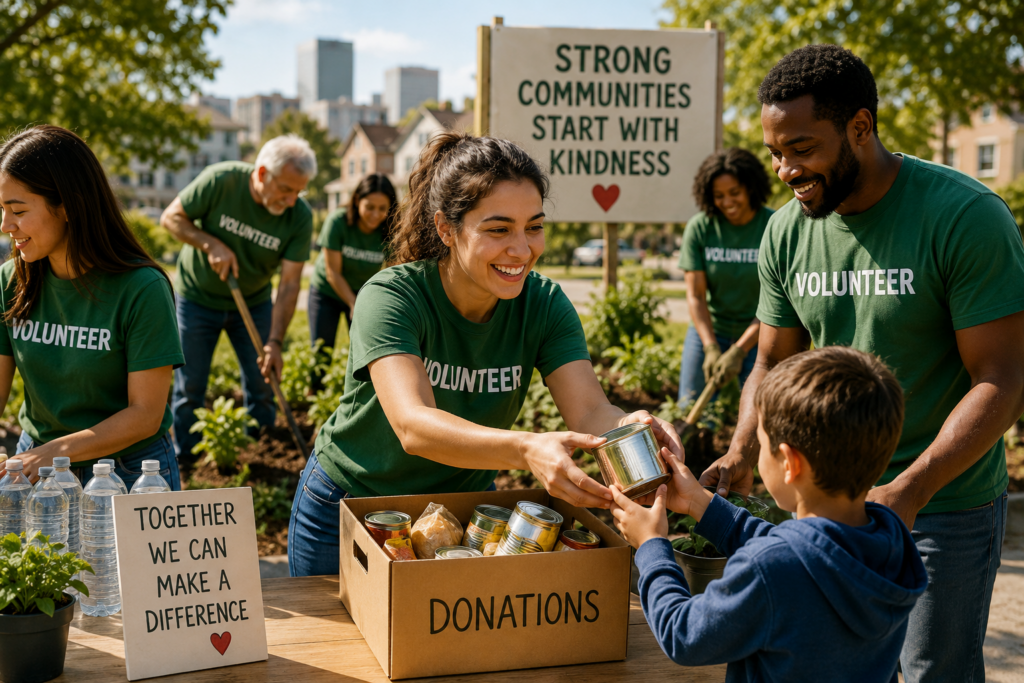
Helping others creates a stronger connection between people and the places where they live. When individuals give their time, skills, or resources to local causes, communities become safer, friendlier, and more supportive. Simple actions such as volunteering, donating supplies, or helping neighbors can inspire long-term change. In many cases, these efforts also improve personal well-being by fostering a sense of connection and purpose through community outreach programs.
Giving back does not always require large donations or major projects. Small acts of kindness often create a ripple effect that encourages others to get involved. As more people participate, neighborhoods grow stronger, relationships improve, and local organizations gain the support they need to continue helping others.
Building Stronger Human Connections
People naturally feel happier when they belong to a supportive environment. Community involvement helps individuals meet new people, build trust, and create meaningful relationships. These connections often lead to stronger friendships and a greater sense of belonging within neighborhoods and towns.
Additionally, local involvement encourages teamwork and understanding between different groups of people. When residents work together toward a common goal, they become more united and supportive of each other. As a result, communities often become more welcoming and cooperative over time.
Encouraging Positive Change Nearby
Every community faces challenges, including food insecurity, limited educational resources, and financial struggles. When people contribute to local organizations or volunteer their time, they help reduce these problems in practical ways. Even small efforts can improve the quality of life for families and individuals who need support.
Moreover, giving back often inspires others to act. A single volunteer project or donation drive may motivate additional residents and businesses to participate. Therefore, positive action can spread quickly throughout a community and create lasting improvements for many people.
Supporting Local Organizations
Nonprofit groups, shelters, food banks, and community centers rely heavily on local support. Without volunteers and donations, many of these organizations would struggle to continue serving people in need. Community involvement allows these groups to expand their programs and reach more families.
Businesses can also make a major difference by supporting local causes. Many companies participate in fundraising events, sponsor educational programs, or encourage employees to volunteer. Through local charity involvement, businesses strengthen public trust while helping communities grow stronger and more stable.
Helping Young People Grow
Children and teenagers benefit greatly from strong community support. Mentorship programs, sports leagues, educational workshops, and after-school activities all help young people build confidence and learn important life skills. These programs often depend on volunteers and local support to continue operating successfully.
Young people also learn valuable lessons when they see adults helping others. They begin to understand the importance of kindness, teamwork, and responsibility. Consequently, they are more likely to grow into compassionate adults who will continue to support their communities.
Improving Mental and Emotional Wellness
Giving back can improve emotional health in many ways. Helping others often creates feelings of happiness, gratitude, and personal fulfillment. People who volunteer regularly frequently report lower stress levels and a stronger sense of purpose in daily life.
In addition, community involvement reduces feelings of loneliness and isolation. Spending time with others during volunteer projects or charity events helps people feel more connected and valued. Many individuals discover that helping others also improves their own emotional balance and overall outlook on life.
Creating Safer Neighborhoods
Communities become safer when residents actively care about the people around them. Neighborhood cleanups, youth programs, and community events help reduce isolation and encourage positive social interaction. When people know their neighbors and work together, they often feel more secure and supported.
Furthermore, active communities usually experience stronger cooperation between residents and local leaders. This teamwork allows problems to be addressed more quickly and effectively. As a result, neighborhoods become more organized, welcoming, and resilient during difficult times.
Inspiring Long-Term Generosity
Acts of kindness often inspire additional generosity. When people see others volunteering or helping local causes, they may feel encouraged to participate as well. Over time, this creates a culture where community support becomes a normal and valued part of daily life.
Long-term generosity also teaches future generations the value of compassion and service. Families who volunteer together often pass these habits down to children, creating stronger traditions of giving and support. Therefore, even small actions today can influence communities for many years to come.
Strengthening Everyday Life Through Service
Communities thrive when people care about one another and work together to solve problems. Simple efforts such as volunteering at events, supporting local shelters, or mentoring young people can create meaningful improvements that benefit everyone. Through volunteer leadership development, individuals often gain confidence, communication skills, and stronger personal relationships while helping others.
Giving back also reminds people that positive change starts with small actions. While one person cannot solve every challenge alone, consistent support from many individuals creates stronger neighborhoods and healthier communities. In the end, helping others improves not only the lives of those receiving support but also those who choose to give their time and care.
