How Civic Engagement and Service Learning Shape Stronger Communities


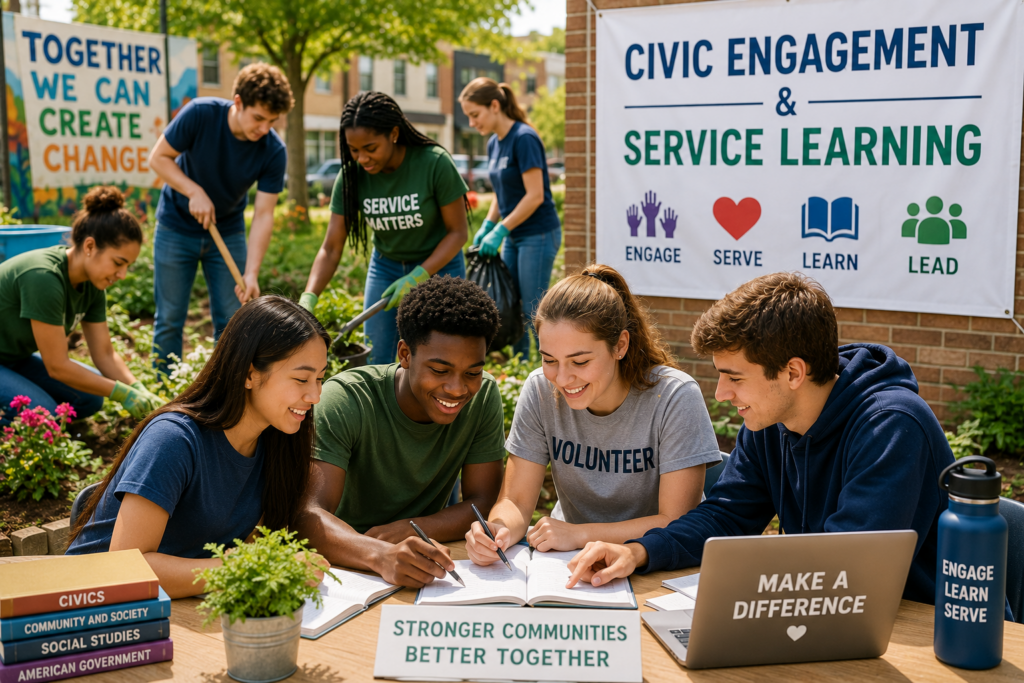
Civic engagement and service learning help people become active members of their communities. These two ideas work together to build stronger schools, neighborhoods, and future leaders. Civic engagement encourages people to take part in community life, while service learning connects education with real-world action. As a result, students and volunteers gain valuable skills while helping others. In many schools and organizations, community leadership training now plays a major role in preparing people to create positive change.
People often learn best when they can connect lessons to real experiences. Because of this, service learning has become more popular in schools across the United States. Students no longer sit in classrooms and memorize facts without understanding how those lessons matter in daily life. Instead, they join projects that improve local communities while supporting academic growth. This approach helps students feel more connected to their education and to the people around them.
Understanding Civic Engagement
Civic engagement means taking part in activities that improve society or support the public good. People can volunteer, vote, attend community meetings, organize events, or support local causes. These actions may seem small, yet they often create lasting benefits for communities.
Many young people learn civic engagement through school activities or local programs. For example, students may help clean parks, collect food for shelters, or organize neighborhood events. Through these experiences, they learn responsibility and teamwork. At the same time, they begin to understand how communities depend on active participation.
Civic engagement also teaches empathy. When people work closely with others from different backgrounds, they become more understanding and open-minded. This stronger connection helps reduce division and creates healthier communities. Furthermore, people who stay involved in civic life often feel a stronger sense of purpose and belonging.
How Service Learning Works
Service learning combines classroom education with hands-on community service. Unlike regular volunteering, service learning includes clear learning goals connected to school subjects. Students reflect on their experiences and connect them to lessons from class.
For example, a science class may organize a local recycling project. During the project, students apply environmental lessons while helping the community. Likewise, students in history classes may work with museums or local heritage groups to preserve important stories and records.
Teachers often guide students through discussions after service projects. These conversations help students think about what they learned and how their actions affected others. Therefore, service learning becomes more meaningful than simple volunteer work.
This approach also keeps students engaged in school. Many students enjoy learning more when lessons feel practical and useful. Because they can see the results of their work, they often stay motivated and interested in education.
Building Real-World Skills
Civic engagement and service learning help students build important life skills. Many classroom lessons focus on theory, but service projects teach practical abilities that students use in future careers and relationships.
Communication skills often improve during group projects. Students learn how to speak clearly, solve problems, and listen carefully to others. These abilities help them succeed both in school and in professional settings later in life.
Leadership skills also grow through community involvement. Students may organize events, guide volunteers, or manage schedules. As a result, they gain confidence as they learn to handle responsibility. Amid many educational programs, student civic participation continues to foster stronger leadership development among young people.
Time management becomes another valuable lesson. Students must balance service projects with schoolwork and personal responsibilities. As a result, they often become more organized and disciplined.
Additionally, service learning encourages critical thinking. Students face real challenges during projects, so they must find practical solutions. This process helps them think more carefully and creatively when solving problems.
Strengthening Communities Through Action
Communities benefit greatly when people become involved in service learning and civic activities. Local organizations often need volunteers and fresh ideas to support important programs. Students and community members can help schools, shelters, parks, and nonprofit groups complete valuable work.
For example, volunteers may organize food drives, mentor younger students, or assist senior citizens. These efforts improve lives while bringing people together. At the same time, residents begin to trust and support one another more deeply.
Communities with strong civic participation often feel safer and more connected. People care more about their neighborhoods when they actively help improve them. Consequently, civic engagement creates a cycle of positive action that encourages long-term community growth.
Service learning projects also help schools build stronger community partnerships. Local businesses, nonprofit groups, and public organizations often work together with schools to support educational goals. These partnerships create more opportunities for students while helping communities solve real problems.
Improving Student Confidence
Many students struggle with confidence in school or social situations. However, service learning often helps them feel more capable and valued. When students see the results of their work, they begin to believe in their abilities.
Helping others also creates a sense of accomplishment. Students often feel proud when they complete projects that improve their communities. This positive feeling can motivate them to stay active and engaged in school.
Moreover, service learning offers students opportunities to discover new interests. Some students may develop a passion for healthcare, environmental work, education, or public service through volunteer projects. These experiences may shape future career goals and personal values.
Students who feel connected to their communities are also more likely to stay engaged in school. Because they see how education connects to real life, they often become more interested in learning. This stronger connection supports both academic growth and emotional well-being.
Encouraging Lifelong Involvement
Civic engagement does not end after graduation. People who participate in service learning at a young age often continue helping their communities later in life. Early experiences with volunteering and leadership can create lifelong habits of community involvement.
Adults who stay civically engaged often vote more regularly, support local programs, and participate in public discussions. These actions help communities remain strong and active over time. Furthermore, involved citizens often inspire others to participate.
Parents who value civic engagement may also pass those values to their children. As a result, future generations will continue to support community growth and social responsibility. This lasting effect makes service learning an important investment in society’s future.
Schools and organizations can encourage long-term involvement by offering meaningful service opportunities. Projects should feel relevant and connected to real community needs. Students are more likely to stay engaged when they understand the impact of their work.
Creating a More Connected Future
Civic engagement and service learning help people become active, compassionate, and responsible members of society. These experiences connect education with real-world action while improving both communities and personal growth. Students learn leadership, communication, and teamwork while helping others through meaningful projects.
Most importantly, these programs show people that even small actions can make a difference. Communities become stronger when individuals work together to solve problems and support one another. In the end, youth empowerment initiatives continue to inspire future generations to stay involved, build stronger relationships, and create positive change in their world.
