Why Community Engagement Matters: Key Benefits for People and Society


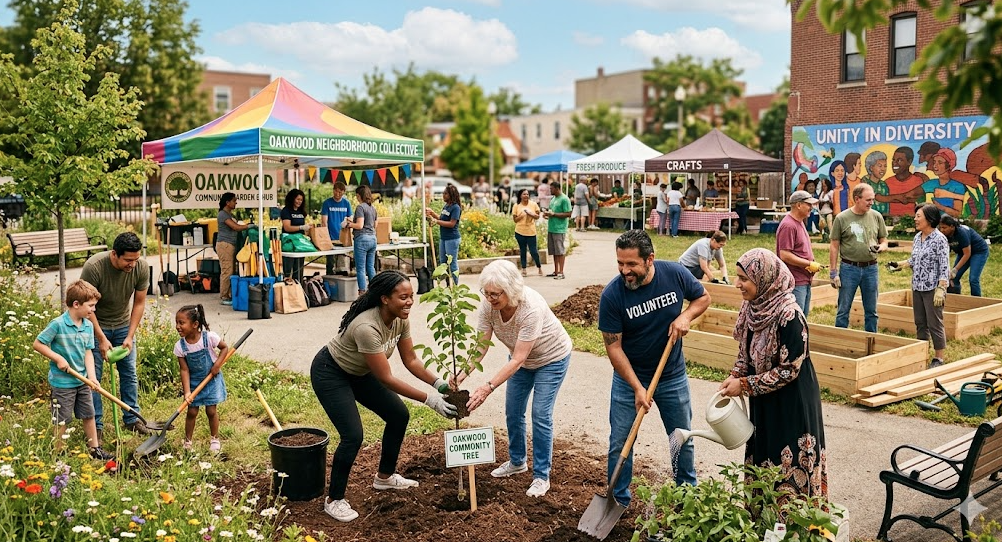
Community engagement plays a powerful role in shaping stronger, healthier, and more connected societies. It brings people together, builds trust, and encourages shared responsibility. When individuals take part in their communities, they do more than show up. They create meaningful change that benefits everyone. Over time, these small actions can lead to lasting improvements in both personal lives and the wider world.
Builds Stronger Social Connections
One of the biggest benefits of community engagement is how it brings people closer together. When individuals join local events, volunteer programs, or neighborhood groups, they meet others who share similar values. As a result, these interactions help build friendships and trust.
Strong social connections also reduce feelings of loneliness. People feel supported when they know they are part of something bigger. In addition, regular interaction creates a sense of belonging. This sense of belonging can improve emotional well-being and make daily life more fulfilling.
Improves Mental and Emotional Health
Community involvement has a direct impact on mental health. When people take part in meaningful activities, they often feel happier and more relaxed. For example, helping others can create a sense of purpose and pride.
Moreover, engaging with others helps reduce stress and anxiety. Instead of focusing only on personal challenges, individuals shift their attention to positive actions. Over time, this shift can improve mood and emotional balance. As a result, people feel more confident and better prepared to handle life’s challenges.
Encourages Personal Growth
Community engagement also supports personal development. When people get involved, they often learn new skills and gain new experiences. For instance, volunteering can improve communication, teamwork, and leadership abilities.
In addition, facing new situations helps build confidence. People become more comfortable stepping outside their comfort zones. As they grow, they also gain a better understanding of different perspectives. This growth helps individuals become more open-minded and adaptable.
Strengthens Local Communities
When people actively participate in their communities, they help create stronger and more stable environments. Local projects, events, and programs benefit from shared effort and support. As a result, communities become more organized and resilient.
Furthermore, engaged communities often experience lower crime rates and better public safety. People look out for one another and work together to solve problems. This teamwork creates a safer and more welcoming place for everyone.
Promotes Civic Responsibility
Community engagement encourages people to take responsibility for their surroundings. When individuals feel connected to their community, they are more likely to care about local issues. For example, they may attend meetings, vote in elections, or support local initiatives.
As a result, this involvement leads to better decision-making and stronger leadership. People become more informed and active citizens. Over time, this creates a more balanced and effective society.
Boosts Physical Health
While many people focus on emotional benefits, community engagement also supports physical health. Many activities involve movement, such as organizing events, cleaning public spaces, or helping with local projects.
In addition, staying active through community work can improve fitness and energy levels. Even light activity can make a difference when done regularly. As a result, people often feel healthier and more energized in their daily lives.
Supports Economic Growth
Community engagement can also positively affect the local economy. When people support local businesses, attend events, and participate in programs, they help create economic activity.
Moreover, strong communities attract new opportunities. Businesses are more likely to invest in areas where people are engaged and supportive. This leads to job creation and long-term growth. As a result, both individuals and communities benefit financially.
Encourages Positive Change
Engaged communities are more likely to address challenges and create solutions. When people work together, they can tackle issues such as poverty, education gaps, and environmental concerns.
For example, community groups often organize programs that provide support and resources to those in need. These efforts create real and lasting change. In addition, they inspire others to take action and get involved.
Builds a Sense of Purpose
People often search for meaning in their lives. Community engagement provides a clear and rewarding path to finding that purpose. When individuals contribute to something meaningful, they feel a sense of achievement.
This sense of purpose can improve overall life satisfaction. It also motivates people to stay active and involved. As a result, they continue to grow and make a positive impact over time.
Creates Opportunities for Collaboration
Working together is a key part of community engagement. When people collaborate, they share ideas, resources, and skills. This teamwork leads to better results and stronger outcomes.
In addition, collaboration helps build trust among community members. People learn to rely on each other and work toward common goals. Over time, this creates a more united and supportive environment.
Inspires Future Generations
Community engagement sets an example for younger generations. When children and young adults see others giving back, they are more likely to follow that path. This creates a cycle of positive behavior that continues over time.
Moreover, early involvement helps young people develop important life skills. They learn responsibility, empathy, and teamwork. As a result, they grow into active and caring members of society.
Enhances Quality of Life
All these benefits come together to improve the overall quality of life. People feel happier, healthier, and more connected when they engage with their communities. They also experience greater stability and support.
In addition, communities become more vibrant and welcoming. Public spaces improve, events become more meaningful, and relationships grow stronger. This creates an environment where people can truly thrive.
Encourages Lifelong Learning
Community engagement often introduces people to new ideas and experiences. Whether through workshops, events, or volunteer work, individuals continue to learn and grow.
Furthermore, learning in a community setting feels more engaging and practical. People can apply what they learn in real-life situations. As a result, they gain knowledge that supports both personal and professional growth.
Strengthens Trust and Unity
Trust is essential for any strong community. When people engage regularly, they build trust through shared experiences and open communication. This trust helps reduce conflict and encourages cooperation.
In addition, unity grows when people work together toward common goals. Differences become less important as shared values take priority. Over time, this unity creates a more peaceful and supportive environment.
Community engagement offers many benefits that go far beyond simple participation. It strengthens relationships, improves health, and supports both personal and social growth. When people come together, they create positive change that lasts. As a result, both individuals and communities thrive in meaningful ways. By staying involved and committed, anyone can help build a stronger and more connected world.
