Proven Strategies to Expand Community Involvement Programs for Long-Term Impact


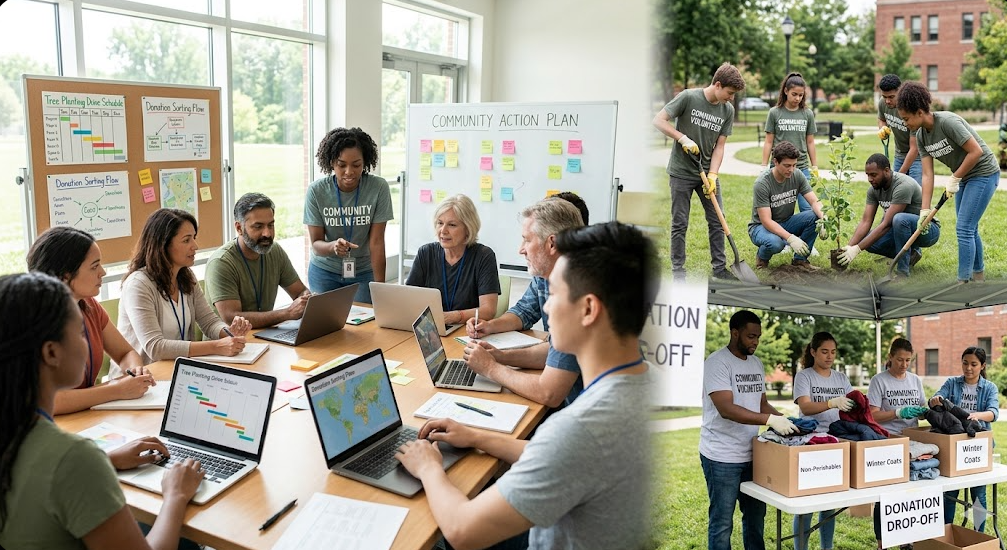
Community involvement programs play a key role in building stronger and more connected societies. When people come together to support local causes, they create positive change that benefits everyone. However, many programs struggle to grow because they lack structure, visibility, or consistent engagement. To expand successfully, organizations need a clear plan, strong leadership, and a focus on long-term impact. When done right, community engagement growth strategies can help programs reach more people and create lasting results.
Understand the Needs of the Community
To grow any program, you must first understand the needs of the people you serve. Every community has different challenges, so it is important to gather feedback and listen closely. Surveys, local meetings, and direct conversations can help identify what matters most.
When organizations take time to understand these needs, they can design programs that feel relevant and useful. As a result, people are more likely to participate and stay involved. In addition, this approach builds trust, which is essential for long-term success.
Build Strong Leadership and Vision
A clear vision helps guide every successful program. Leaders should define the goals, values, and purpose of their efforts so that everyone understands the direction. Without this clarity, programs can lose focus and struggle to grow.
Strong leaders also inspire others to get involved. They communicate clearly, make decisions quickly, and remain committed even in challenging situations. As a result, a well-led program often attracts more volunteers and supporters over time.
Create Opportunities for Participation
People are more likely to join when they feel their contributions matter. Therefore, programs should offer a variety of ways to get involved. Some individuals may prefer hands-on work, while others may want to help with planning or outreach.
By offering flexible roles, organizations can reach a wider audience. In addition, they can keep volunteers engaged by matching tasks with personal interests and skills. This not only improves participation but also increases members’ satisfaction.
Use Digital Tools to Expand Reach
Technology plays a major role in growing community programs. Social media, email campaigns, and online platforms make it easier to share information and connect with people. When used effectively, these tools can attract new volunteers and supporters.
For example, regular social media updates help keep the community informed and engaged. At the same time, online registration systems make it easier for people to join events. As a result, programs can grow faster and reach a broader audience.
Partner with Local Organizations
Collaboration is another powerful way to expand programs. By working with schools, businesses, and nonprofits, organizations can share resources and reach more people. These partnerships often lead to new ideas and stronger outcomes.
Moreover, partnerships help build credibility. When respected organizations support a program, others are more likely to trust it and join. This creates a network of support that strengthens the entire effort.
Focus on Volunteer Retention
Attracting volunteers is important, but keeping them is even more critical. Programs should foster a positive, welcoming environment where people feel appreciated. Simple actions like saying thank you or recognizing contributions can make a big difference.
In addition, providing training and support helps volunteers feel confident in their roles. When people feel valued and prepared, they are more likely to stay involved. This leads to steady growth and stronger community connections.
Measure Progress and Adapt
To grow effectively, programs must track their progress. This includes measuring participation rates, feedback, and overall impact. By reviewing this data, organizations can identify what works and what needs improvement.
For instance, if attendance at events is low, leaders can adjust their approach or try new ideas. A local outreach program development plan can help guide these changes and ensure consistent improvement. Over time, this process helps programs become more effective and sustainable.
Promote Success Stories
Sharing success stories is a great way to inspire others. When people see the positive impact of a program, they are more likely to get involved. Stories about real experiences make the program feel meaningful and relatable.
These stories can be shared through social media, newsletters, or community events. Not only do they highlight achievements, but they also build emotional connections. As a result, more people feel motivated to join and support the cause.
Encourage Youth Involvement
Young people bring energy, creativity, and new ideas to community programs. Therefore, it is important to create opportunities that appeal to them. Schools, youth groups, and mentorship programs can help encourage participation.
When young people get involved early, they develop a habit of giving back. This helps ensure the long-term growth of community programs. In addition, it creates future leaders who will continue to support and expand these efforts.
Maintain Consistency and Commitment
Consistency is key to growth. Programs that operate regularly and communicate clearly are more likely to succeed. People need to know when and how they can participate, so predictable schedules and updates are essential.
At the same time, commitment from leaders and volunteers keeps the program moving forward. Even when challenges arise, staying focused on the mission helps maintain momentum. Over time, this steady effort leads to meaningful growth.
Create a Culture of Inclusion
Inclusive programs welcome people from all backgrounds and experiences. This creates a sense of belonging and encourages wider participation. When people feel accepted, they are more likely to stay involved and contribute.
Inclusion also brings diverse perspectives, which can improve decision-making and creativity. As a result, programs become stronger and more adaptable. A culture of inclusion supports both growth and long-term success.
Final Thoughts on Sustainable Growth
Growing community involvement programs takes time, effort, and careful planning. However, with the right strategies, organizations can expand their reach and create lasting impact. By focusing on community needs, strong leadership, and consistent engagement, programs can thrive.
In the end, success comes from building meaningful connections and staying committed to the mission. When people feel valued and inspired, they are more likely to take part and support the cause. This is how programs evolve and make a difference through sustainable community participation models.
