How Impact-Driven Philanthropy Creates Real Social Change in Modern Communities


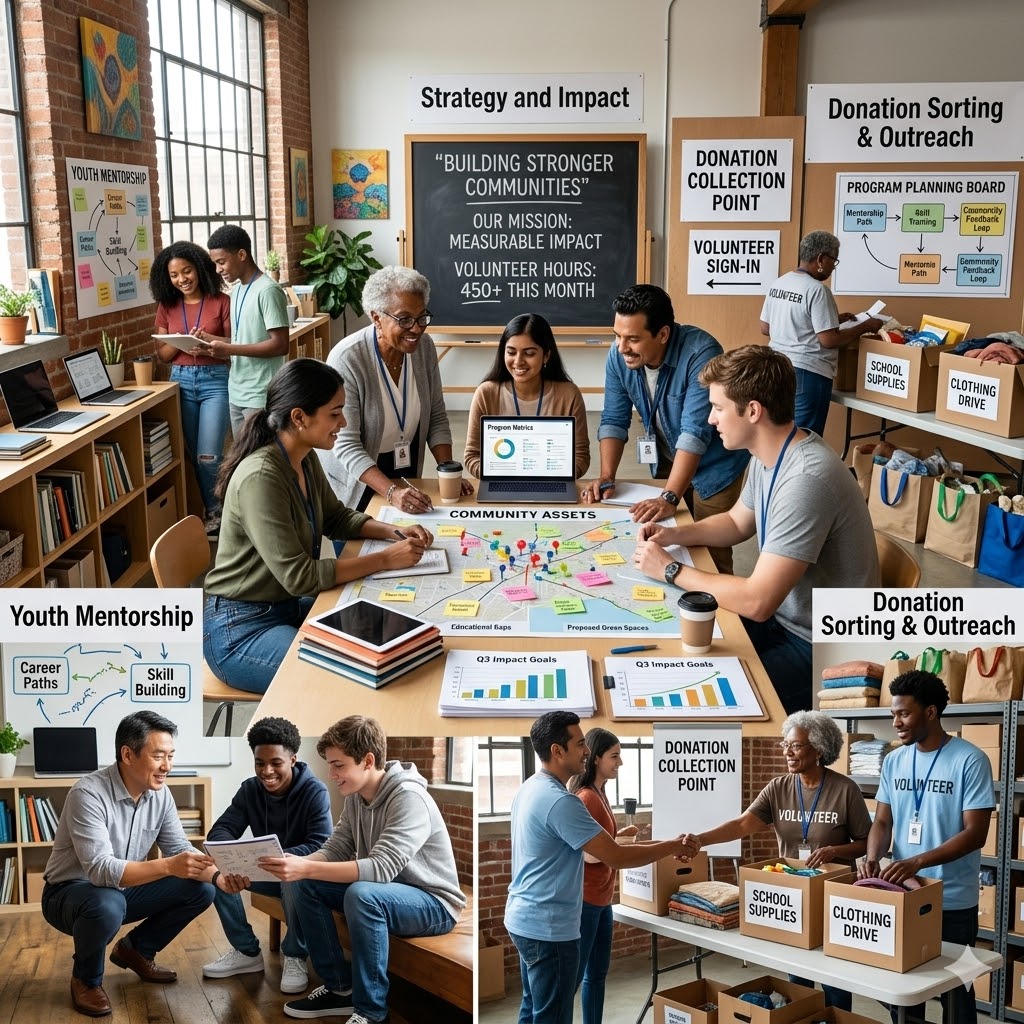
Philanthropy has always played an important role in society, but today the approach is evolving. Instead of only donating money, many individuals and organizations now focus on measurable outcomes and long-term community progress. This approach is often called impact-driven philanthropy. It encourages people to think about how their contributions lead to real improvements in education, health, housing, and economic opportunity. As a result, donors and volunteers now ask deeper questions about where their efforts go and how they make a difference. Through thoughtful giving and organized programs, strategic social investment helps communities solve problems while creating sustainable support systems.
At the same time, impact-driven philanthropy focuses on collaboration. Charities, businesses, and volunteers often work together to build solutions that last. This teamwork allows communities to address complex challenges in ways that traditional charity alone cannot. When individuals support initiatives that measure results and encourage accountability, their contributions help build stronger and more resilient societies.
Understanding the Meaning of Impact-Driven Giving
Impact-driven philanthropy focuses on results rather than simple donations. While traditional charity helps people in the moment, this modern approach aims to solve the root causes of social challenges. For example, a traditional donation might provide food to a family in need today. However, an impact-focused program might fund job training, education, or housing support that helps families build long-term stability.
Because of this focus on outcomes, organizations that follow impact-driven strategies often closely track progress, study how their programs improve lives, and then adjust their methods to increase success, as a result, donors feel confident that their contributions create measurable benefits for communities.
In addition, this approach encourages smarter use of resources. When nonprofits evaluate their programs and measure their results, they can improve their services and expand the programs that work best. Over time, this process helps charities grow stronger and more effective.
Why Social Impact Matters More Than Ever
Communities today face many challenges, including economic inequality, access to education, and housing instability. Because of these issues, philanthropy now plays a more important role in shaping social progress. Impact-driven giving enables communities to respond to these problems thoughtfully and strategically.
For instance, many philanthropic organizations support programs that improve local schools or provide scholarships. Education initiatives often lead to better job opportunities and stronger local economies. Similarly, healthcare initiatives supported by philanthropic funding help improve the quality of life for individuals and families.
Furthermore, philanthropy helps communities prepare for unexpected crises. Natural disasters, economic downturns, and health emergencies often require quick responses from nonprofits and volunteers. Impact-focused organizations can mobilize resources quickly and direct help where it is needed most.
The Role of Community Leadership in Philanthropy
Leadership plays a critical role in impact-driven philanthropy. Community leaders, nonprofit organizers, and donors help guide charitable initiatives toward meaningful goals. These leaders bring together people, ideas, and resources to build programs that effectively address social challenges.
In many cases, strong leadership helps create partnerships between nonprofit organizations and local businesses. When these partnerships develop, communities gain access to more resources and expertise. Businesses may provide funding or volunteer support, while nonprofit organizations deliver services and programs that benefit residents.
Moreover, community leaders often inspire others to become involved in charitable work. When individuals see leaders supporting social causes, they feel encouraged to participate in volunteer efforts and fundraising activities. This collective involvement creates a powerful network of people working together to improve society.
Measuring the Success of Philanthropic Efforts
One key difference between traditional charity and impact-driven philanthropy is the focus on measurable results. Organizations now track data to understand how their programs improve lives. They measure outcomes such as improved graduation rates, reduced homelessness, or increased job placement for participants.
As a result of this evaluation process, donors gain greater transparency. They can see how their contributions support specific programs and how those programs affect communities. This transparency builds trust between nonprofits and supporters, which strengthens long-term partnerships.
Additionally, organizations that track outcomes often discover new ways to improve their services. When a program produces strong results, nonprofits can expand it and help more people. If a program needs improvement, they can adjust strategies and create better solutions.
In the middle of this evolving philanthropic landscape, many organizations also promote community impact measurement, which helps donors and nonprofits understand the real effects of their work. This data-driven approach ensures that charitable efforts continue to grow stronger and more effective over time.
How Individuals Can Participate in Impact-Driven Philanthropy
Although large foundations often lead philanthropic initiatives, individuals also play a vital role in creating social change. People can participate in many ways, including volunteering, mentoring youth, supporting local nonprofits, or donating to causes they believe in.
Even small contributions can make a meaningful difference when combined with others’ efforts. For example, volunteers who mentor students help young people build confidence and pursue educational opportunities. Similarly, people who donate to local shelters help provide essential support for families in need.
In addition, individuals can support organizations that focus on long-term solutions. Donors often research nonprofits to learn how their programs operate and what results they achieve. By supporting organizations that demonstrate measurable impact, individuals contribute to programs that create lasting change.
The Future of Philanthropy and Social Progress
Looking ahead, impact-driven philanthropy will remain a powerful force for social improvement. Communities benefit when donors, volunteers, and organizations work together to create sustainable solutions. Ultimately, initiatives that focus on measurable outcomes and long-term support will shape the future of charitable giving. When individuals and organizations commit to thoughtful generosity and responsible leadership, sustainable philanthropy initiatives can help communities thrive for generations.
As society continues to evolve, philanthropy will likely become more focused on collaboration, innovation, and measurable outcomes. Technology now helps nonprofits track results, communicate with donors, and expand their reach. Because of these tools, organizations can manage programs more effectively and reach larger audiences.
