How Giving Your Time Can Transform Your Life and Your Community


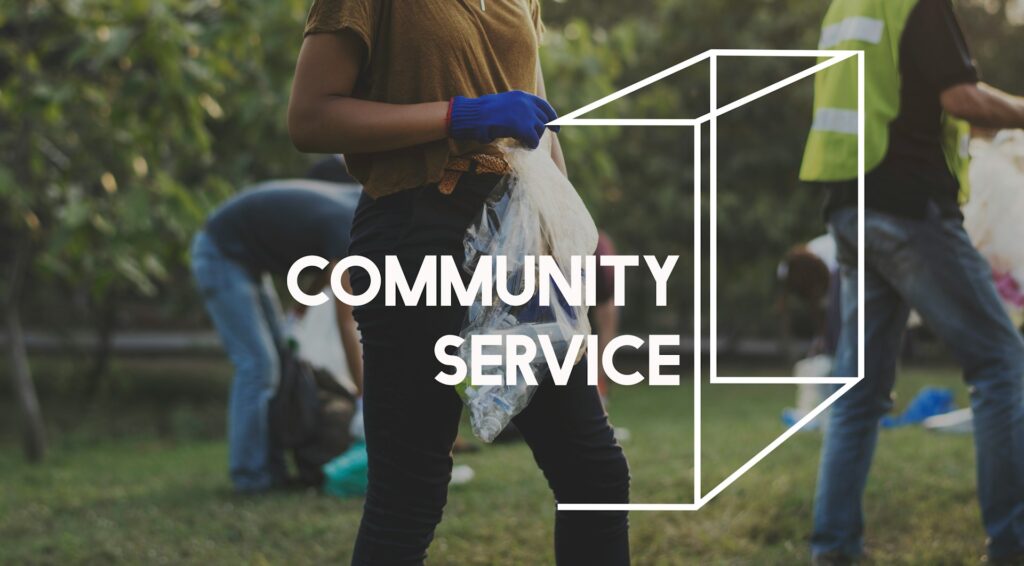
Volunteering is often seen as an act of kindness, yet it offers far more than most people expect. Volunteering benefits extend beyond helping others as it shapes personal growth, emotional health, and even long-term life satisfaction. When people give their time with intention, they often discover positive changes that reach into many areas of their lives.
Many individuals begin volunteering to support a cause they care about. However, they quickly realize that the experience gives back just as much as it takes. Volunteering creates connection, purpose, and perspective. It allows people to step outside their daily routines and see the world through a wider lens. Because of this, volunteering becomes a powerful tool for personal and social transformation.
Building Stronger Personal Connections
One of the most immediate benefits of volunteering is the human connection it provides. When people volunteer, they work alongside others who share similar values and goals. This shared purpose creates bonds that often grow into meaningful friendships. Over time, these connections reduce feelings of isolation and increase a sense of belonging.
In addition, volunteering brings people from different backgrounds together. This exposure encourages understanding and empathy, which strengthens social skills. As volunteers collaborate, they learn to communicate clearly and listen actively. These skills carry over into personal and professional relationships, making everyday interactions more positive and effective.
Improving Mental and Emotional Well-Being
Volunteering has a direct impact on mental health. Many studies show that helping others can reduce stress and anxiety. Mental health through service becomes noticeable when volunteers feel calmer and more balanced after giving their time. This happens because acts of service release positive brain chemicals that support emotional well-being.
Moreover, volunteering provides structure and routine, which can be especially helpful during difficult periods of life. When people feel uncertain or overwhelmed, focusing on helping others offers perspective. It reminds them that their actions matter. As a result, many volunteers report increased confidence and a stronger sense of self-worth.
Gaining New Skills and Experiences
Volunteering is also a valuable learning opportunity. Many roles allow people to develop skills they may not use in their daily jobs. These skills can include leadership, organization, communication, and problem-solving. Because volunteering often places individuals in real-world situations, learning feels practical and rewarding.
For students and career changers, volunteering can open doors. It provides experience that strengthens resumes and builds professional networks. Even for those established in their careers, volunteering offers a chance to explore new interests. Over time, these experiences can influence career paths and personal goals in unexpected and positive ways.
Strengthening Local Communities
Communities thrive when people take an active role in supporting one another. Volunteers help fill gaps that organizations and institutions cannot always address on their own. Their time and energy improve access to resources, education, and support services. This collective effort creates safer and more resilient neighborhoods.
When people volunteer locally, they gain a deeper understanding of community needs. This awareness encourages long-term involvement and civic responsibility. Volunteers often become advocates for positive change, strengthening partnerships among residents, nonprofits, and local leaders. As a result, communities grow more connected and capable.
Creating a Sense of Purpose
Purpose is a powerful motivator, and volunteering helps people find it. Purpose-driven volunteering allows individuals to align their actions with their values. When people see the direct impact of their efforts, they feel fulfilled and motivated to continue. This sense of purpose adds meaning to daily life.
Furthermore, volunteering encourages reflection. It helps people clarify what matters most to them. Over time, this clarity influences personal decisions and priorities. Many volunteers discover that giving their time leads to a more intentional and satisfying lifestyle.
Supporting Physical Health
While often overlooked, volunteering can also support physical health. Many volunteer roles involve movement, whether through organizing events, cleaning spaces, or assisting others. This activity promotes mobility and overall fitness. Even low-impact tasks encourage people to stay active and engaged.
In addition, volunteering reduces stress, benefiting both the body and the mind. Lower stress levels can improve sleep, heart health, and immune function. When combined with social interaction and purpose, volunteering supports a healthier and more balanced life.
Inspiring Lifelong Giving
Volunteering often starts with a single action, but it can grow into a lifelong habit. As people experience the benefits, they become more committed to service. They may expand their involvement or encourage friends and family to join them. This ripple effect multiplies the positive impact.
Teaching younger generations about volunteering strengthens this cycle. When children see adults giving their time, they learn empathy and responsibility. These lessons shape future leaders who value cooperation and service. Over time, volunteering becomes part of a culture that prioritizes shared well-being.
Long-Term Impact on Society
The long-term effects of volunteering reach far beyond individual experiences. Societies with strong volunteer networks are more adaptable and compassionate. Volunteers help address social challenges while building trust among citizens. This trust supports collaboration and innovation.
When people feel connected and empowered, they are more likely to participate in civic life. Volunteering encourages this engagement by showing that individual actions matter. Over time, this participation strengthens democratic values and social cohesion.
Why Volunteering Is Worth the Commitment
Volunteering requires time and effort, yet the rewards are significant and lasting. It improves mental and physical health, builds skills, and strengthens communities. It also creates purpose and connection in a world that often feels disconnected. Because of these outcomes, volunteering is among the most effective ways to improve both personal well-being and social harmony.
Ultimately, the surprising benefits of volunteering remind us that giving is not a one-way act. It is a shared exchange that enriches everyone involved. By choosing to volunteer, individuals invest in themselves, their communities, and a more compassionate future.
